
 English
 Español
 Portugues
 Pусский
 Français
 Deutsch
 العربية
 Italiano
 Svenska
 Polski
 ไทย
ไทย Türk dili
 हिन्दी
 Tiếng Việt
 中文
中文 dansk
dansk қазақ
қазақ বাংলা
বাংলা فارسی
فارسی українська
 беларускі
 Suomalainen
 o'zbek
 Србија
 پښتو
پښتو საქართველოს
 Shqipëria
 Afrikaans
 Kikongo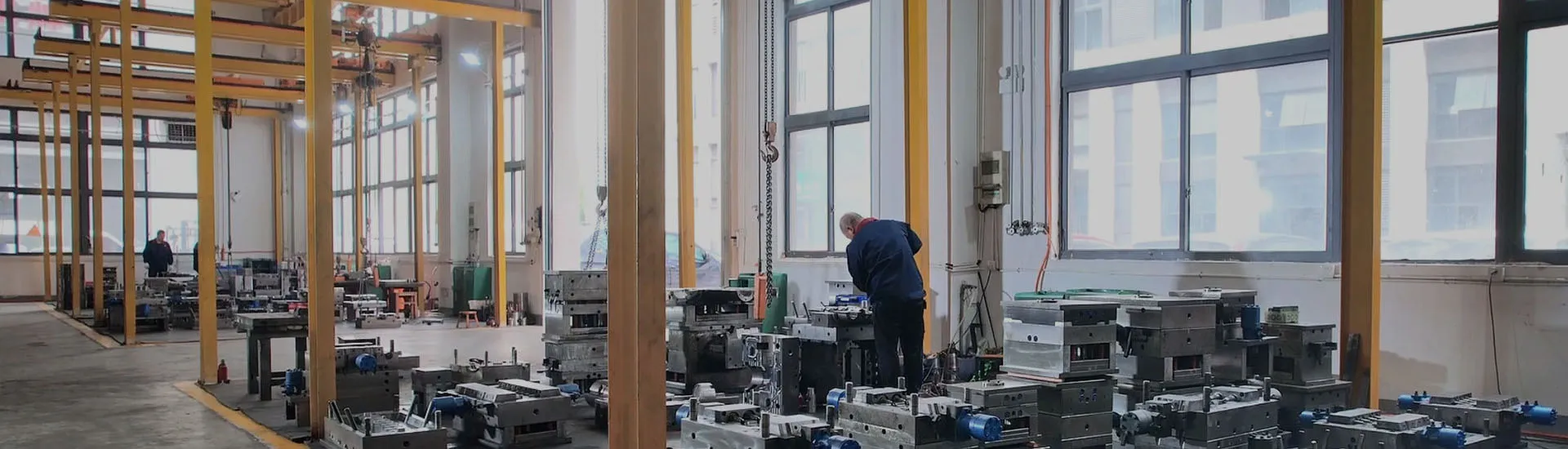
UPVC 티 파이프 피팅 금형
UPVC Tee Pipe Fitting Mould: Design, Functionality, and Manufacturing Process A UPVC tee pipe fitting mould is a precision tool used to manufacture three-way pipe connectors, essential for branching fluid or gas flow in plumbing, irrigation, and industrial piping systems. These moulds are designed to produce durable, leak-proof fittings that meet industry standards for pressure resistance, chemical stability, and dimensional accuracy. 1. Design and Structure The mould consists of two primary components: the core and cavity. The cavity forms the outer shape of the tee fitting, while the core creates the internal bore. High-grade tool steel (e.g., P20, H13) is commonly used for its wear resistance and ability to withstand high injection pressures. The mould includes cooling channels to regulate temperature, ensuring uniform cooling and minimizing warping. Ejector pins facilitate the removal of the finished part without damage. 2. Key Features - Precision Machining: CNC milling and EDM (electrical discharge machining) ensure tight tolerances (±0.05mm) for smooth sealing surfaces. - Ventilation System: Small vents prevent air traps, reducing defects like burns or incomplete fills. - Corrosion Resistance: Chrome plating or nitriding extends mould life by preventing degradation from UPVC’s acidic byproducts during injection. 3. Manufacturing Process 1. Material Preparation: UPVC granules are dried to remove moisture. 2. Injection Molding: Molten UPVC is injected into the mould at 160–200°C under high pressure (800–1,500 bar). 3. Cooling & Ejection: The mould cools rapidly (~20–40 seconds), and ejector pins release the solidified tee fitting. 4. Post-Processing: Flash removal and deburring ensure smooth edges. 4. Quality Control Finished fittings undergo tests for: - Dimensional Accuracy: Verified with calipers and CMM (coordinate measuring machines). - Pressure Resistance: Hydrostatic testing confirms leak-proof performance. - Visual Inspection: Checks for surface defects like sink marks or flow lines. 5. Applications UPVC tee fittings are widely used in: - Potable water systems (due to non-toxicity). - Drainage networks (resistant to chemicals and abrasion). - Industrial pipelines (handling acids, alkalis, or wastewater). Conclusion A well-designed UPVC tee pipe fitting mould ensures high production efficiency, consistent quality, and long service life. Its precision engineering directly impacts the performance of the final product, making it critical for manufacturers to invest in advanced mould technology and maintenance.
제품
범주:
-
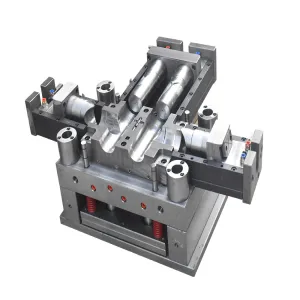
U-PVC 티 파이프 피팅 금형
분류: UPVC 파이프 피팅 금형조회수: 505번호:릴리스 시간: 2025-10-28 21:57:28U-PVC 티 파이프 피팅 금형금형 이름:U-PVC 티 파이프 피팅 금형공동: 2개의 공동금형 크기: 75mm형 강철: 구멍과 핵심을 위한 Germany2316 china2316 or4cr13게이트:직통 게이트금형 구조:오일 실린더코어/캐비티 경도: 진공 열처리 후 HRC 40-45°degree사출성형기 : 320T PVC 주입 문제와 해결책1. 재료부족 : 사출관 이음관 작업과정에서 금형에 충전이 안되는 현상이 자주 발생합니다. 사출 성형기가 막 작동하기 시작하면 금형 온도가 너무 낮기 때문에 PVC 용융 재료의 열 손실이 크고 초기 응고가 발생하기 쉽고 금형 캐비티의 저항이 크고 재료를 금형 캐비티로 채울 수 없습니다. 이 현상은 매우 정상적이지만 일시적이기도 합니다. 디... -
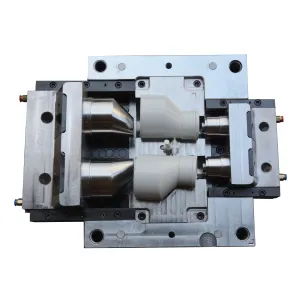
UPVC 감소 팔꿈치 파이프 피팅 금형
분류: UPVC 파이프 피팅 금형조회수: 486번호:릴리스 시간: 2025-10-30 21:50:10UPVC 감소 엘보 파이프 피팅 금형금형 이름:UPVC 감소 엘보 파이프 피팅 금형공동: 2개의 공동금형 크기: 110x75형 강철: 구멍과 핵심을 위한 Germany2316 china2316 or4cr13게이트:직통 게이트금형 구조:앵글 핀코어/캐비티 경도: 진공 열처리 후 HRC 40-45°degree 사출성형기 : 250T 다음은 참고하실 수 있는 주요 정보입니다.1. 탈형 시스템을 위한 PVC 재료 특성 요구 사항탈형 시스템을 설계하기 전에 PVC(특히 연질 PVC)의 고유한 특성을 이해해야 합니다.열악한 열 안정성: 고온에서 분해되기 쉽고 부식성 가스(HCl)를 방출하므로 짧은 흐름 채널, 빠른 냉각 및 체류 방지가 필요합니다.탄력성 및 점도: 연질 PVC는 일정한 탄력성과 점...
뉴스
범주:
-
[Company News]고객 사진
2025-09-23 15:25:09
케이스
범주:
검색 결과가 없습니다!
비디오
범주:
검색 결과가 없습니다!
다운로드
범주:
검색 결과가 없습니다!
모집
범주:
검색 결과가 없습니다!
추천 제품
검색 결과가 없습니다!




 왓츠앱
왓츠앱 핸드폰
핸드폰